
Compare grain moisture, RS485 soil sensing, and 4-in-1 garden meters for distribution, private labeling, and project procurement.
Moisture measurement is not a single-market requirement. Grain handlers need practical checks after harvest, automated growing systems require continuous data, and gardeners want an accessible view of soil conditions. For importers and distributors, covering these different needs can create a more balanced instrument portfolio.
Three Products for Distinct Applications
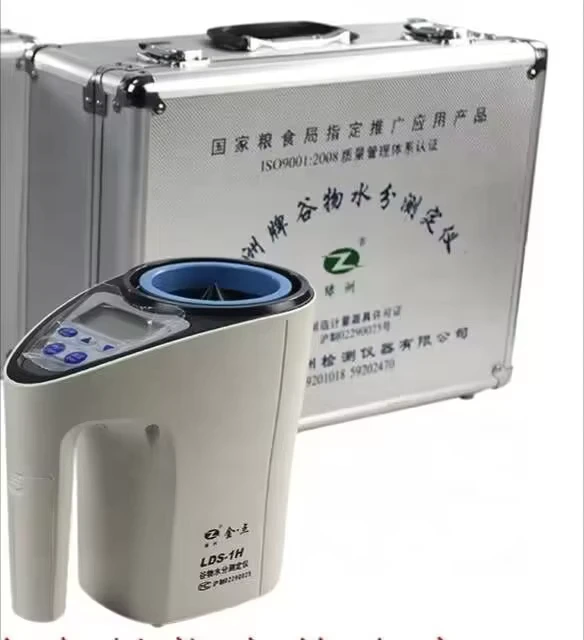
The grain moisture meter is intended for determining moisture in grain. It can complement product ranges serving agricultural purchasing, storage, processing, and post-harvest operations. OEM and ODM support also makes it relevant to buyers developing private-label agricultural testing lines.
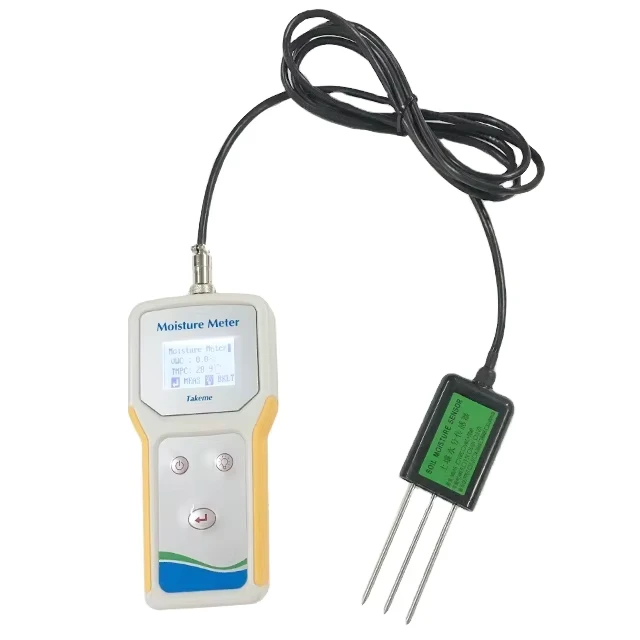
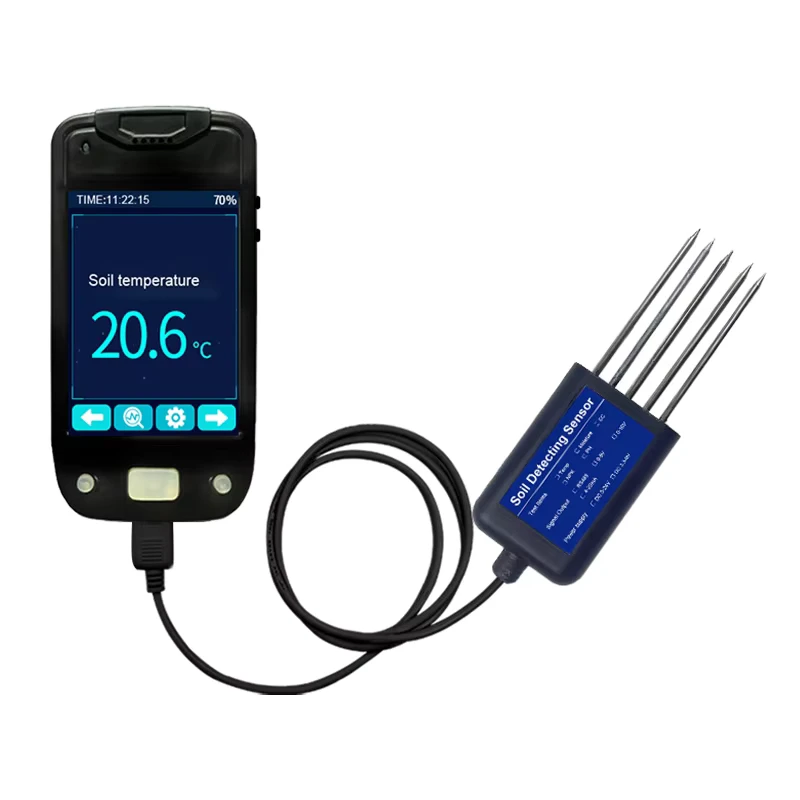
For connected cultivation, the RS485 soil sensor measures moisture, temperature, and conductivity. Its listed power supply options are 5–30 V DC and 12–30 V DC, with a response time below one second. The RS485 interface makes this device suitable for procurement teams building greenhouse, irrigation, monitoring, or control-system packages.
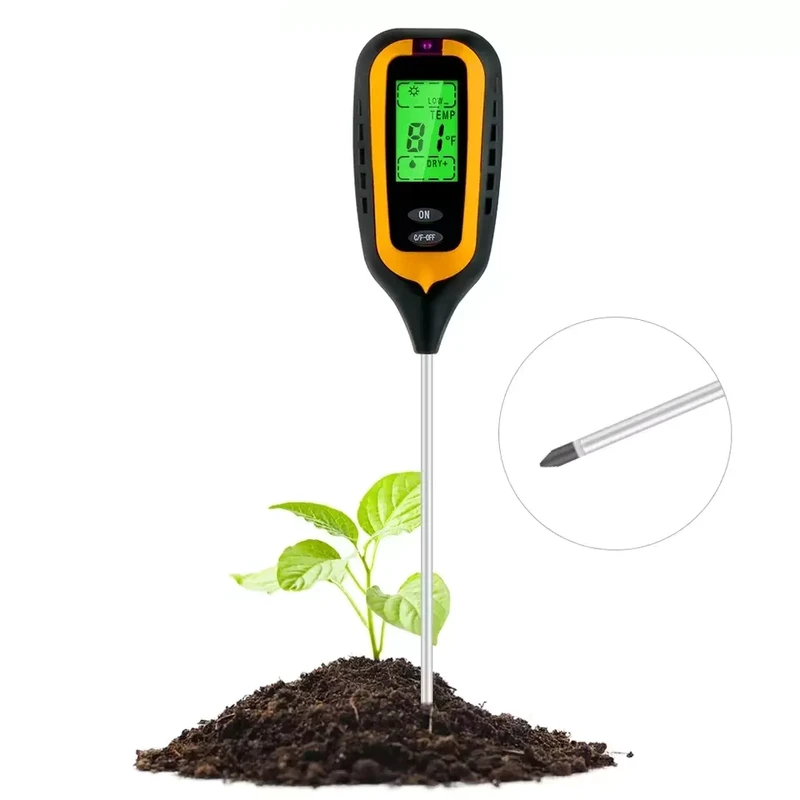
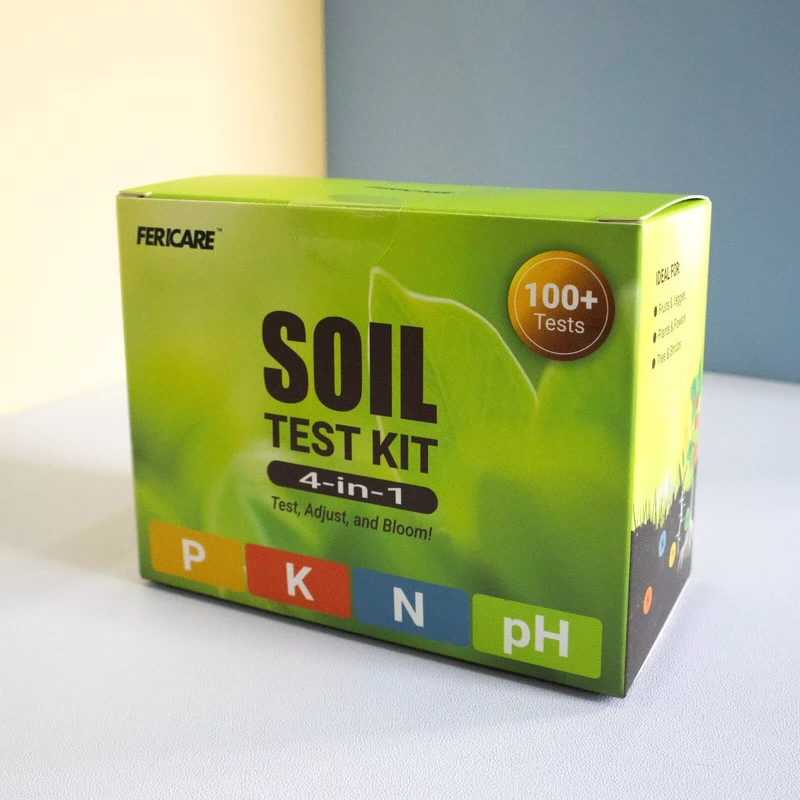
The 4-in-1 soil meter brings pH, moisture, sunlight, and temperature information into one handheld product. It provides a backlit digital display, nine sunlight levels, five moisture levels, and a pH range from 3.5 to 9.0 with 0.5 resolution. Powered by one 9 V battery, which is not included, it is positioned for gardening, retail, and general plant-care channels.
Building a Market-Ready Range
These instruments address different users without forcing one device into every application. Buyers can source a grain-focused tester, an integration-ready soil sensor, or a multifunction handheld meter according to their sales channel. Explore the wider soil tester range, or contact us to discuss specifications, branding, packaging, target quantities, and procurement requirements.